
Search
Showing results for "A"
Methodological issues and implications for interventions to support young Aboriginal people's adaptation are discussed.
More than 50% of allergic patients have house dust mite (HDM) allergy.
The anti-inflammatory actions of IL-4 in activated human monocytes may reflect transcriptional regulation of genes involved in TLR signaling pathways.
This paper reviews the evidence from systematic reviews and meta-analyses examining the risk from low and moderate levels of prenatal alcohol exposure.
In infants and children with chronic respiratory disease, hypoxia is a potential risk of aircraft travel.
Atopic asthma, which is at its highest prevalence during childhood/young adulthood, represents the main focus of this review.

Epke is a veterinarian that specializes in infectious disease control, and holds a PhD in human neglected tropical disease (NTD) control and elimination.

Researchers from the Wesfarmers Centre of Vaccines and Infectious Diseases, based at The Kids Research Institute Australia, have launched an online guidance tool designed to help families and health-care providers in WA learn the best way to protect babies and young children against life-threatening respiratory syncytial virus (RSV).
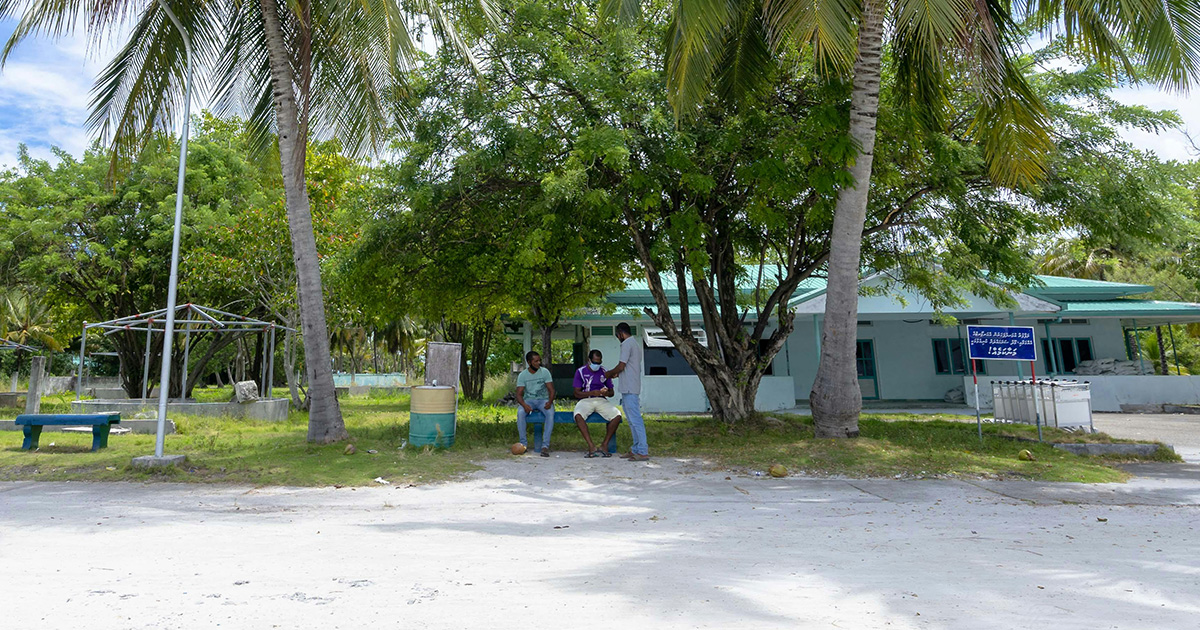
A team led by Dr Joseph Kado from the Wesfarmers Centre of Vaccines and Infectious Diseases, based at The Kids Research Institute Australia, and The University of Western Australia (UWA) has been awarded $5 million by the Federal Government in a major push to prevent rheumatic heart disease across the Pacific.

The Kids Research Institute Australia has welcomed the establishment of an expert committee to guide decision-making around Aboriginal health and medical research in Western Australia.