
Search
Showing results for "A"
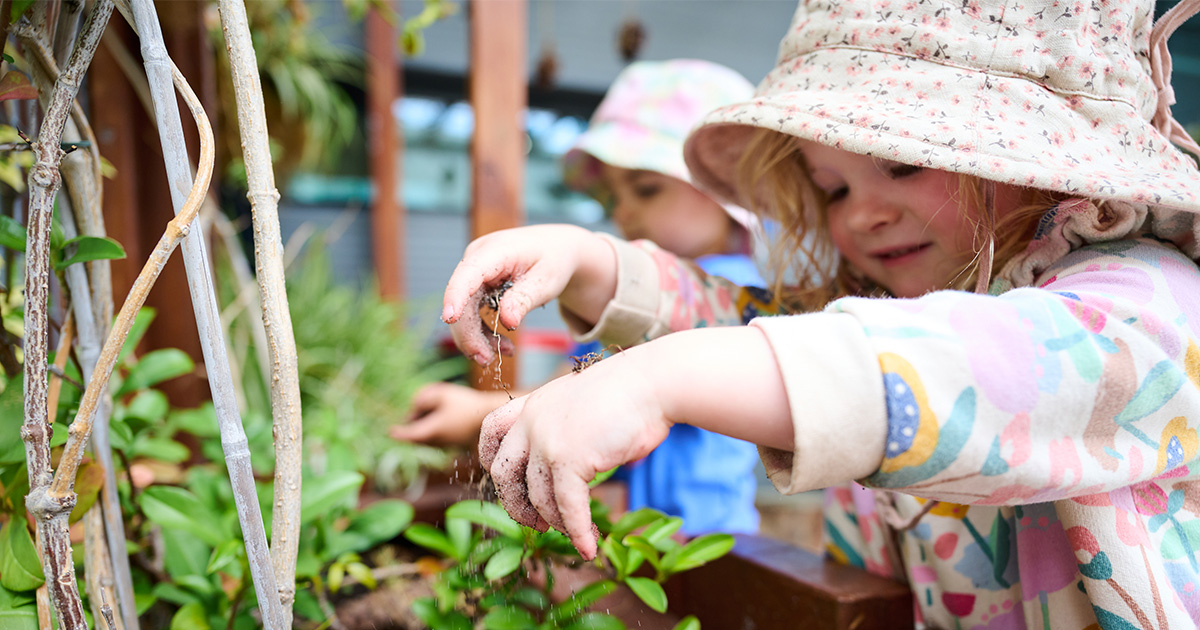
Preschool children with more backyard space and those who live closer to parks and water do more active play than children from other neighbourhoods, according to a new study by The Kids Research Institute Australia.

Four The Kids Research Institute Australia researchers have been awarded $8.8 million in prestigious Investigator Grants from the National Health and Medical Research Council to pursue innovative child health research focused on autism, childhood cancer, skin health, and Aboriginal genomics.
Continuous glucose monitoring (CGM) devices have demonstrated efficacy in adults and more recently in youths and older adults with type 1 diabetes. In adults with type 1 diabetes, the use of real-time CGM compared with intermittently scanned CGM was associated with improved glycemic control, but there are limited data available for youths.
We examined the human toll and subsequent humanitarian crisis resulting from the Russian invasion of Ukraine, which began on 24 February 2022.
Developmental thymic waves of innate-like and adaptive-like γδ T cells have been described, but the current understanding of γδ T cell development is mainly limited to mouse models.
Streptococcus pneumoniae is a key contributor to childhood morbidity and mortality in Papua New Guinea (PNG). For the first time, whole genome sequencing of 174 isolates has enabled detailed characterisation of diverse S. pneumoniae causing invasive disease in young children in PNG, 1989-2014.
To determine the feasibility of an intensive interdisciplinary programme in improving goal and motor outcomes for preschool-aged children with non-progressive neurodisabilities. The primary hypothesis was that the intervention would be feasible.
Persistent regional and systemic inflammation may promote pain and hyperalgesia in complex regional pain syndrome. In this study, we investigated whether stimulation of α1-adrenoceptors on peripheral blood mononuclear cells might contribute to this inflammatory state.
To describe writhing General Movements Assessment (GMA) classification and General Movement Optimality Score-Revised (GMOS-R) profiles in the general population; to explore relationships between GMOS-R scores and GMA classification, age of assessment and infant socio-demographic factors; and to establish the inter-rater reproducibility of writhing age GMA classification and GMOS-R.
Dr Katherine Alexander Landwehr Larcombe BSc(Hons) BScEnv (Hons) PhD Senior Research Officer Honorary Research Fellow Katherine.landwehr@