
Search
Showing results for "A"
The authors previously reported an increased risk of hospitalisation for acute lower respiratory infection up to age 2 years in children delivered by...
We investigated predictors of nasopharyngeal carriage in Australian Aboriginal and non-Aboriginal children.
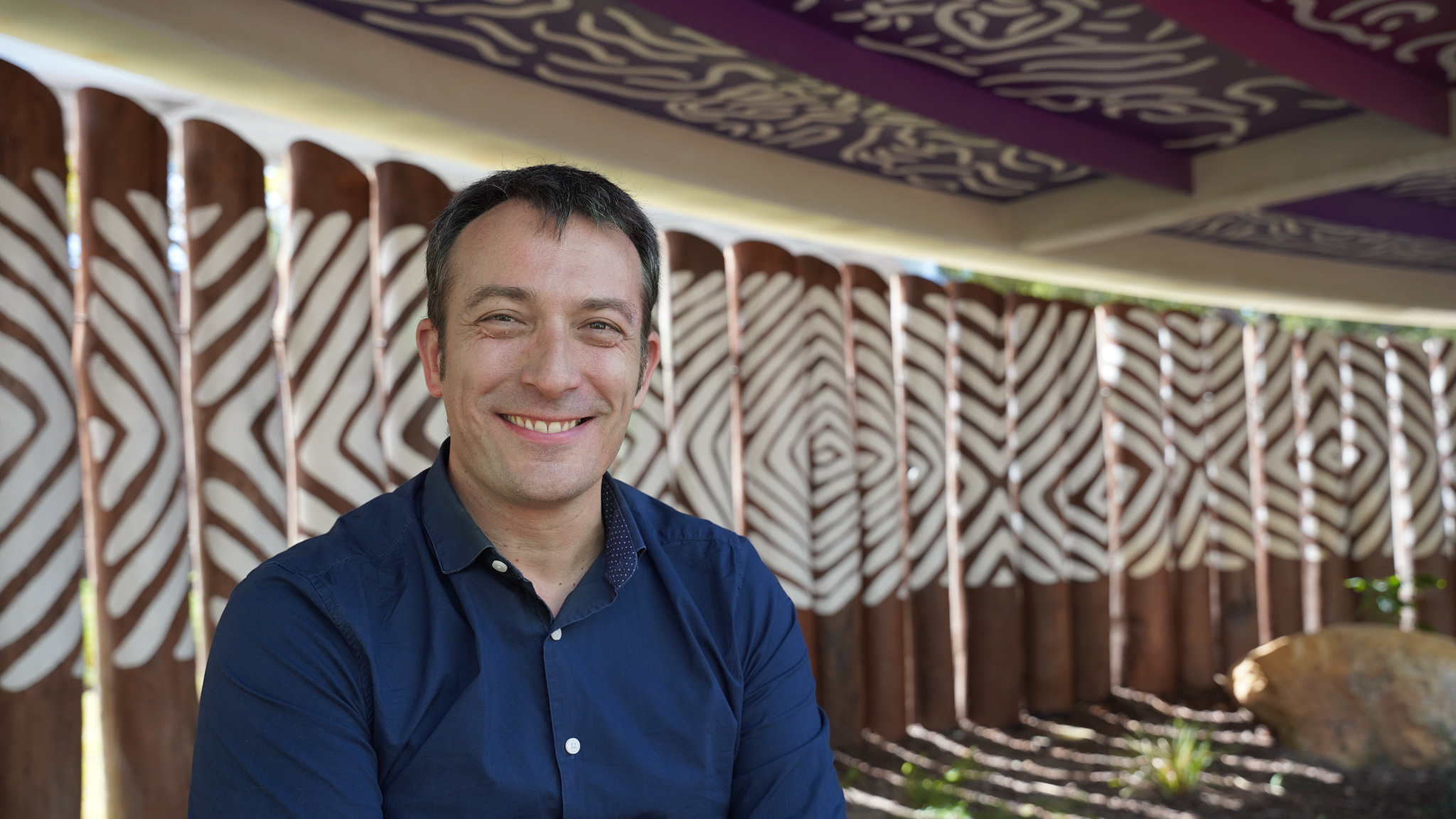
Dr Sébastien Malinge has received a Stan Perron Charitable Foundation Research Fellowship for his pioneering research, which is paving the way for safer, targeted therapies for children with hard-to-treat leukaemia
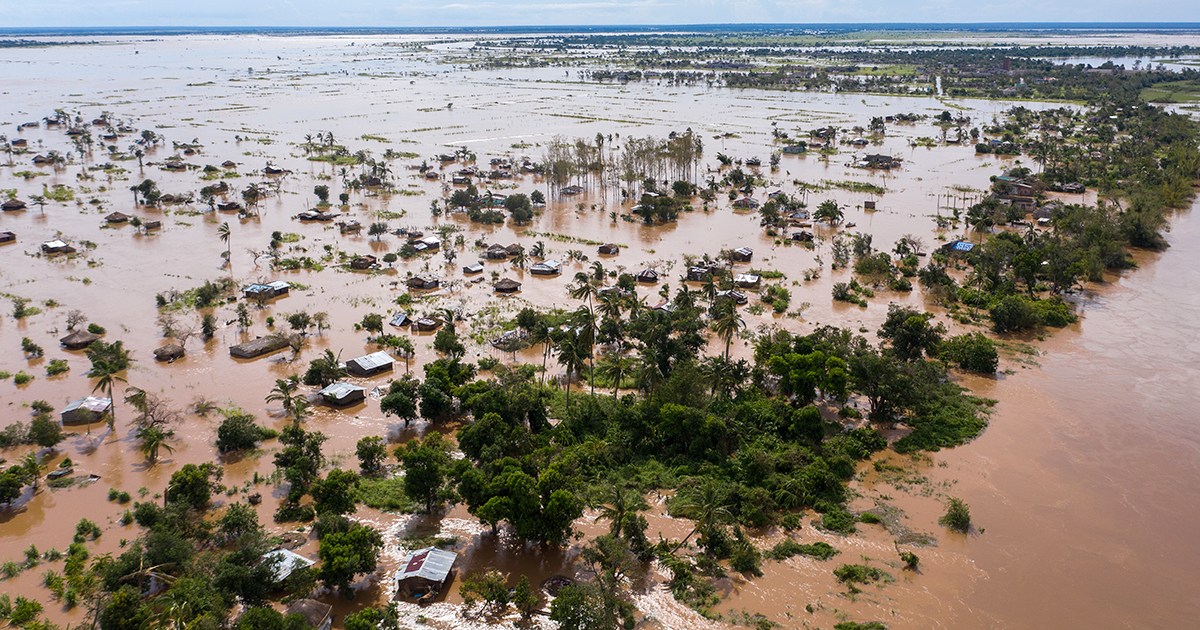
World-first research from The Kids Research Institute Australia and Curtin University predicts climate change could trigger more than 100 million additional malaria cases and 500,000 additional deaths in Africa by 2050, including substantial impacts on children.
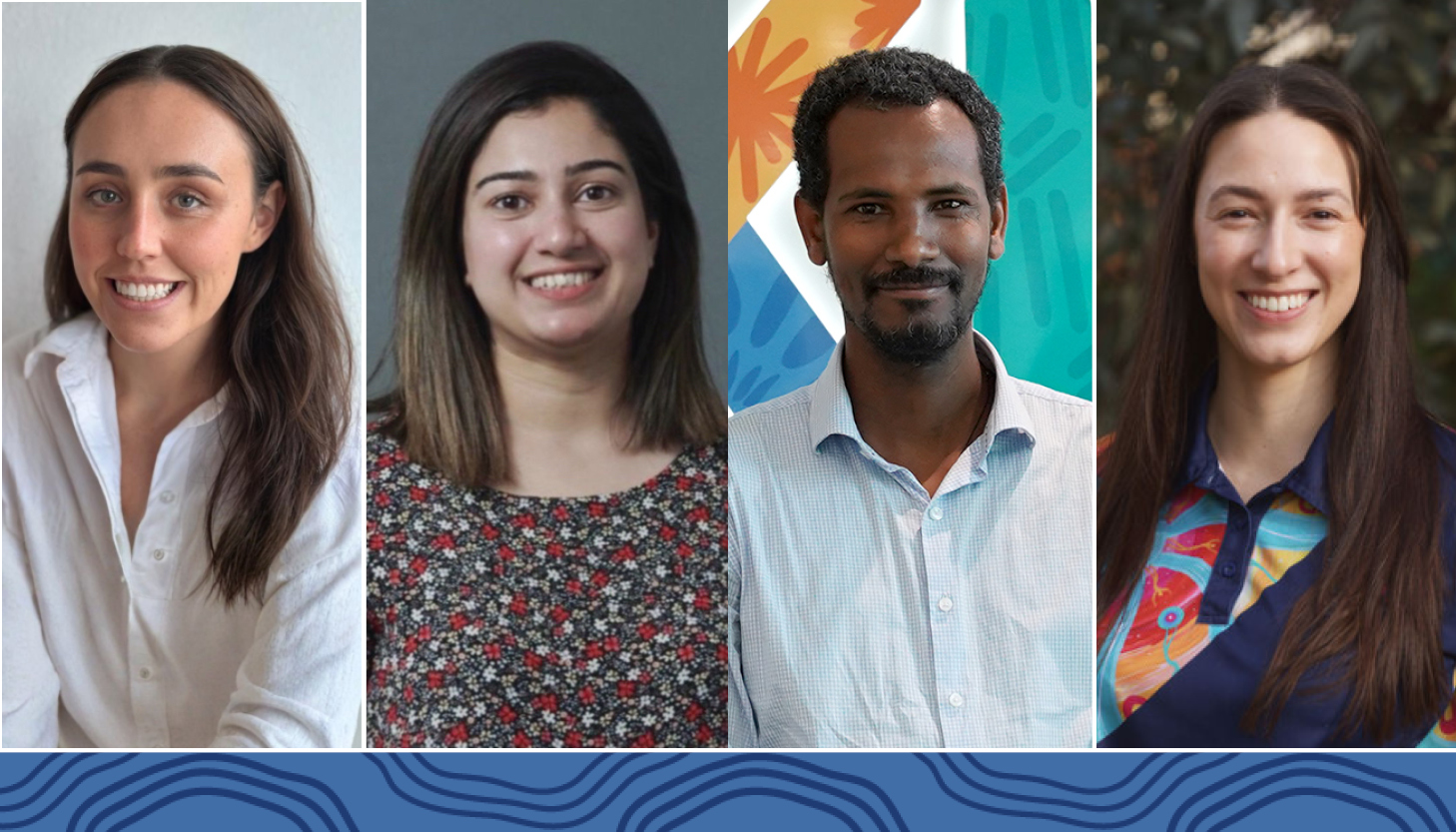
Congratulations to four outstanding early-career researchers from The Kids Research Institute Australia, who have been awarded BrightSpark Foundation fellowships and project funding for 2026.
In disease settings, vitamin D may be important for maintaining optimal lung epithelial integrity and suppressing inflammation, but less is known of its effects prior to disease onset.
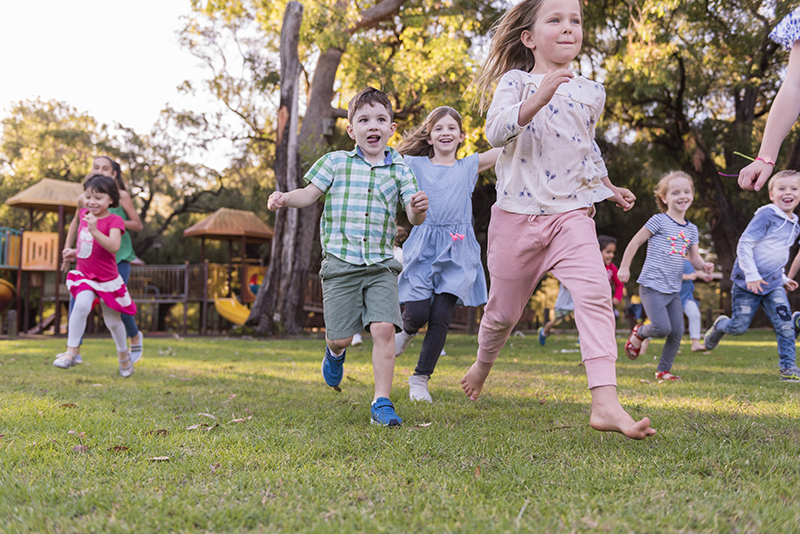
Four The Kids Research Institute Australia researchers have received prestigious fellowships and four significant cohort studies led or co-led by The Kids have received key grants under two new funding programs supported by the State Government’s Future Health Research and Innovation (FHRI) Fund.
Understand the relationship between The Kids Research Institute Australia and Wangle Family Insites, a research-driven app to analyse children’s online activity in real time.
This paper examines whether a Vitamin D deficiency during pregnancy affects the child's lung function predisposition towards lung disease such as asthma.
In this paper we provide an integrative synthesis of eight systematic reviews that compromise our systematic review series entitled ‘Population Perspectives on Nurturing Relational Health from Early Life’. We reflect on what we know, what we don’t know, and what we need to know to better safeguard the interpersonal world of the child.