
Search
Showing results for "A"
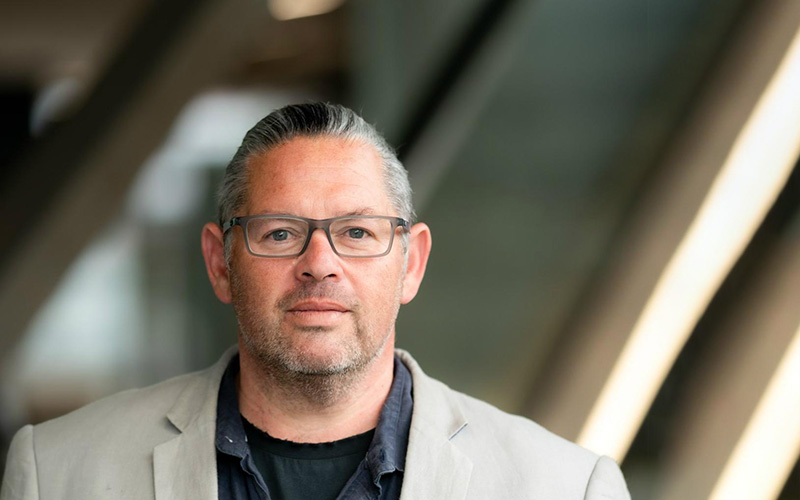
The Kids Research Institute Australia and Australian National University Professor of Indigenous Genomics, Professor Alex Brown, has become the first Indigenous member of the Commonwealth Scientific and Industrial Research Organisation (CSIRO) Board.
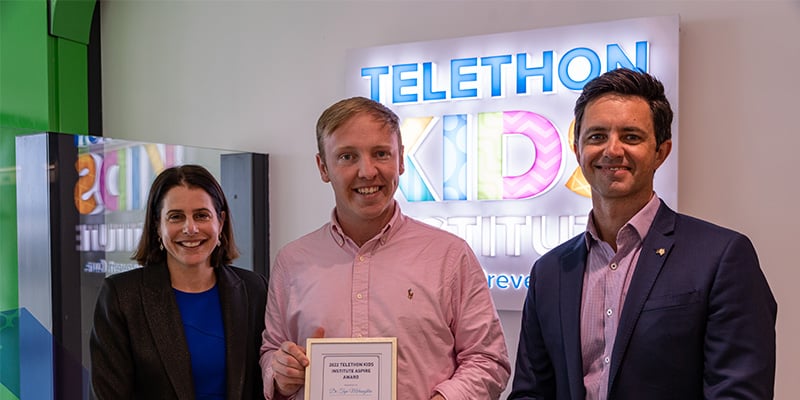
Dr Matthew ‘Tepi’ Mclaughlin is the 2022 The Kids Research Institute Australia Aspire Award winner - coordinated by Western Australia’s peak body for business events, Business Events Perth.

Dr Alex Brown to take up a new appointment as Professor of Indigenous Genomics.
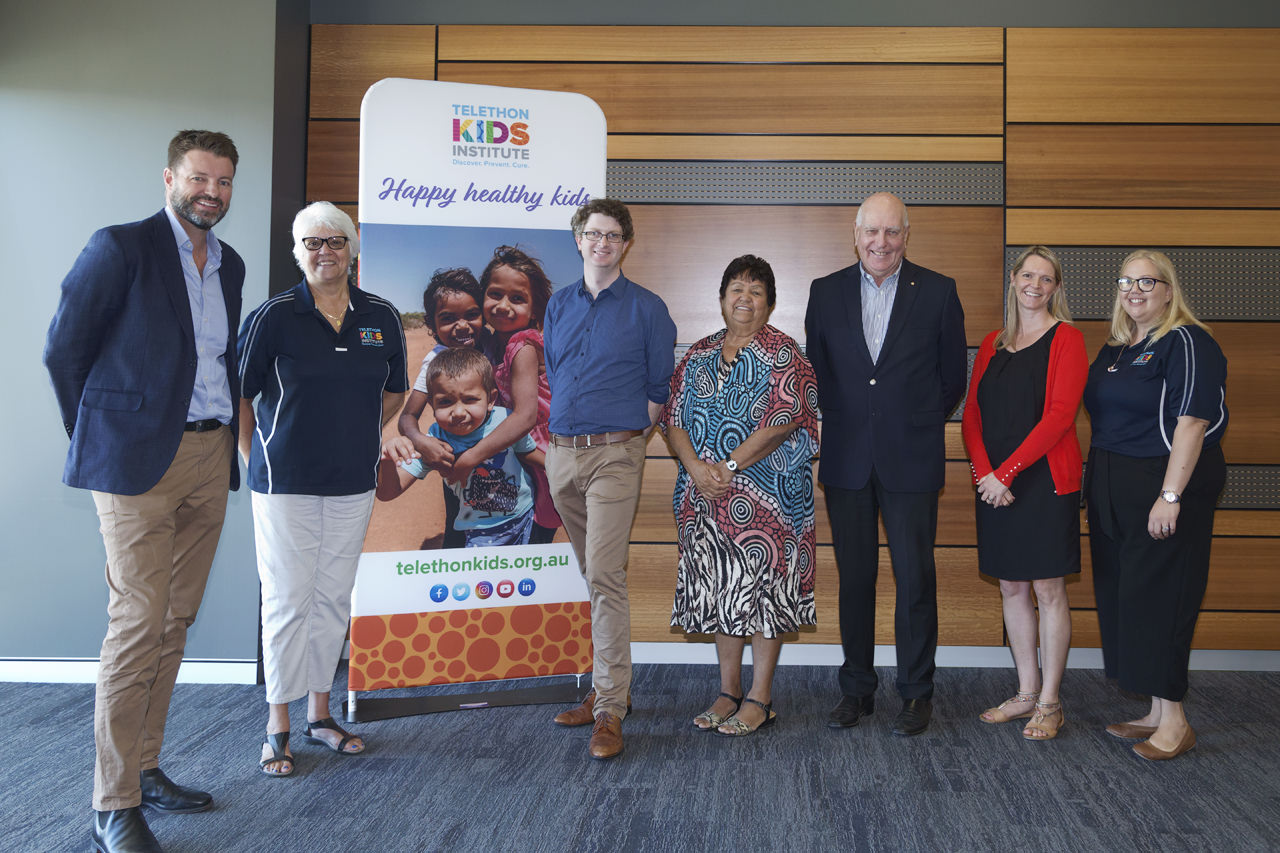
Every year 650,000 Australian children suffer from recurrent or chronic middle ear infections called otitis media (OM).

For decades Australians have been told to minimise sun exposure to prevent skin cancer.
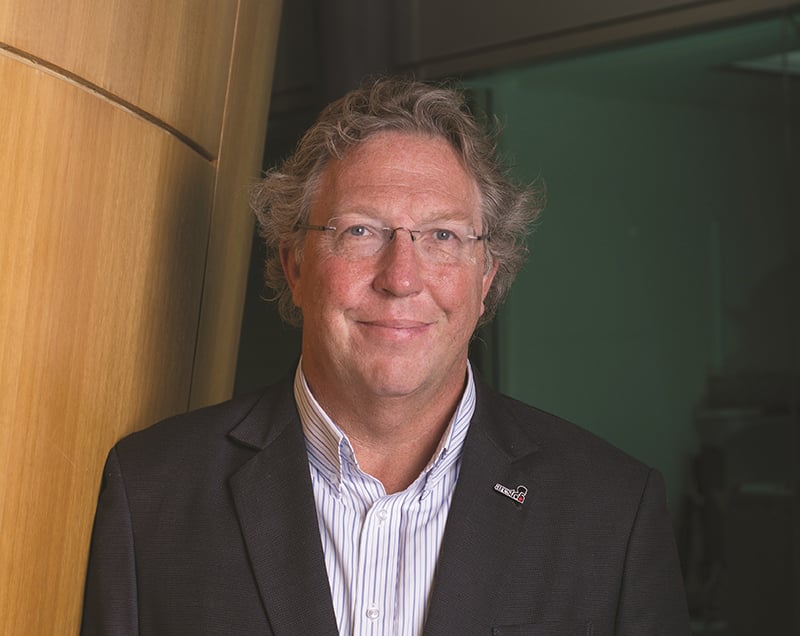
A new program that uses cutting edge stem cell techniques to repair lung damage in children will be established at The Kids Research Institute Australia with support from the Telethon-Perth Children’s Hospital Research Fund (TPCHRF).
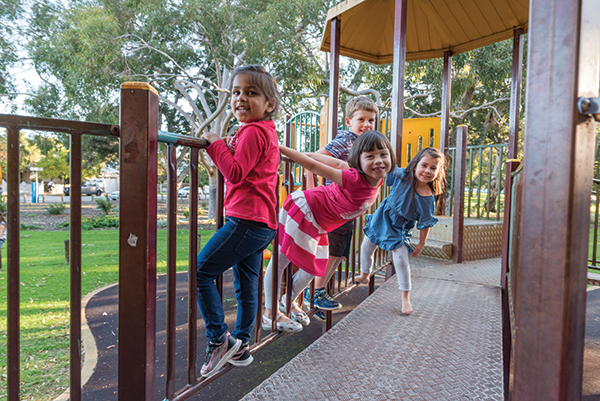
A toolkit designed to help schools use AEDC data to inform planning of early childhood programs and encourage engagement with the broader early childhood community is making a difference.
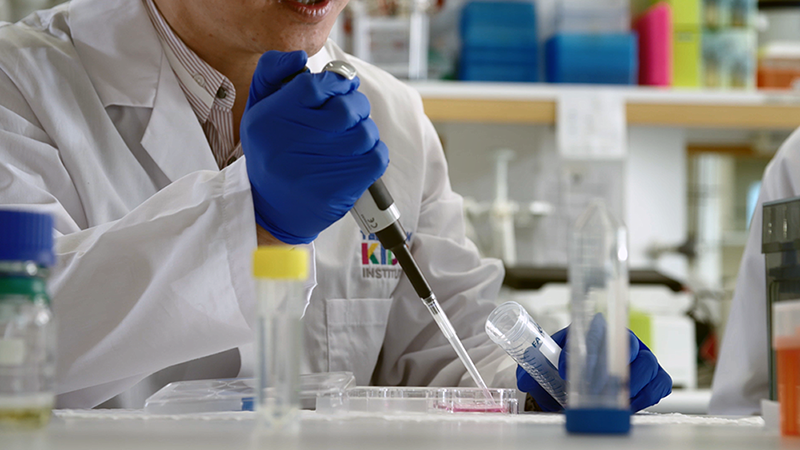
Five outstanding The Kids Research Institute Australia researchers are amongst the eight recipients of the WA Department of Health New Independent Researcher Infrastructure Support (NIRIS) awards.
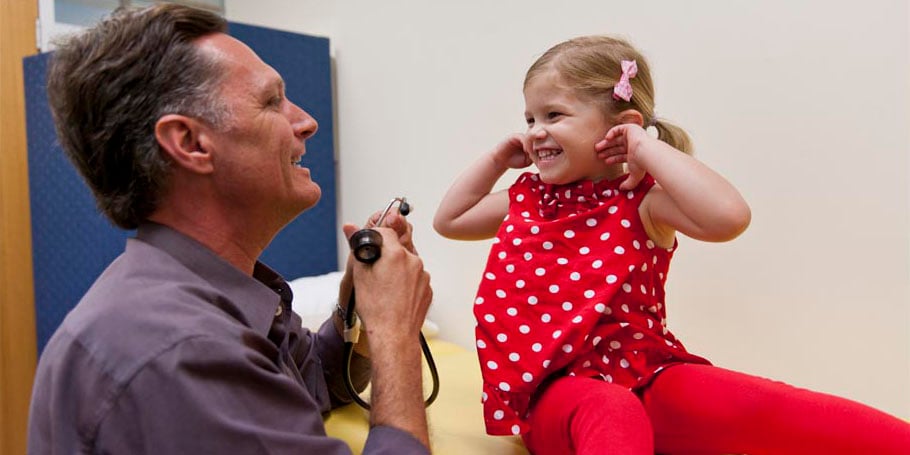
Leading paediatrician, infectious diseases specialist and Executive Director of The Kids Research Institute Australia, Professor Jonathan Carapetis, has been recognised for his significant contribution towards medical research with the award of Member of the Order of Australia (AM).

As many as a quarter of Australian babies aren’t getting vaccinated on time, leaving them at risk of developing life-threatening illnesses such as whooping cough when they are most vulnerable.