
Search
Showing results for "A"
Using data on 2868 children born in the Western Australian Pregnancy Cohort (Raine) Study, we examined the association between changes in family...
The acceptance of closed-loop blood glucose (BG) control using continuous glucose monitoring systems (CGMS) is likely to improve.
This study investigated the potential role of ST2 in children with acute asthma.
CoLab has released the first in a series of policy papers on early childhood in Western Australia.

Personalised medicine for childhood cancers in West Australia is a step closer thanks to the Zero Childhood Cancer program’s state clinical trial launched today
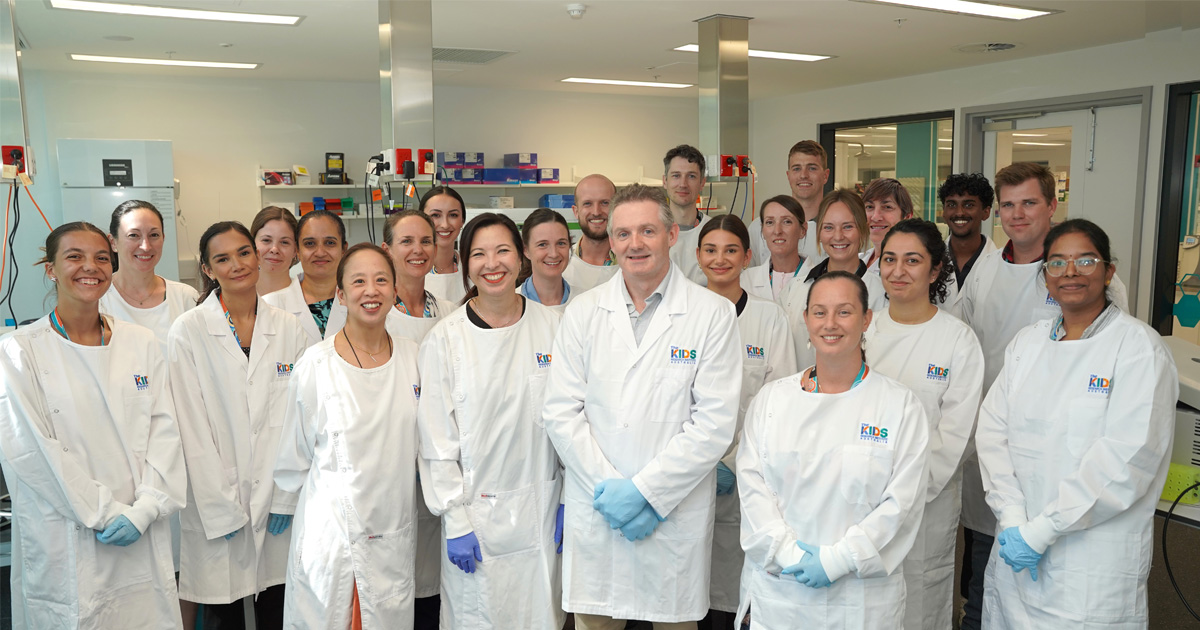
At The Kids Research Institute Australia, our Brain Tumour Research team is leading the charge to change the story for children diagnosed with brain cancer by working on safer, more effective treatments.
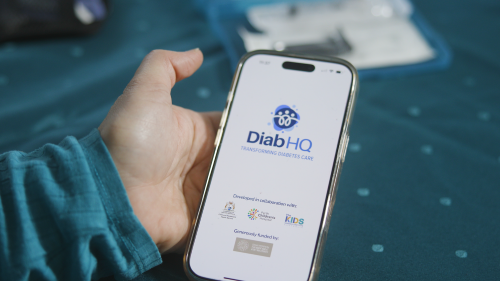
Following the successful launch of the DiabHQ mobile app last November, we're now moving into the exciting next phase and need your voice.
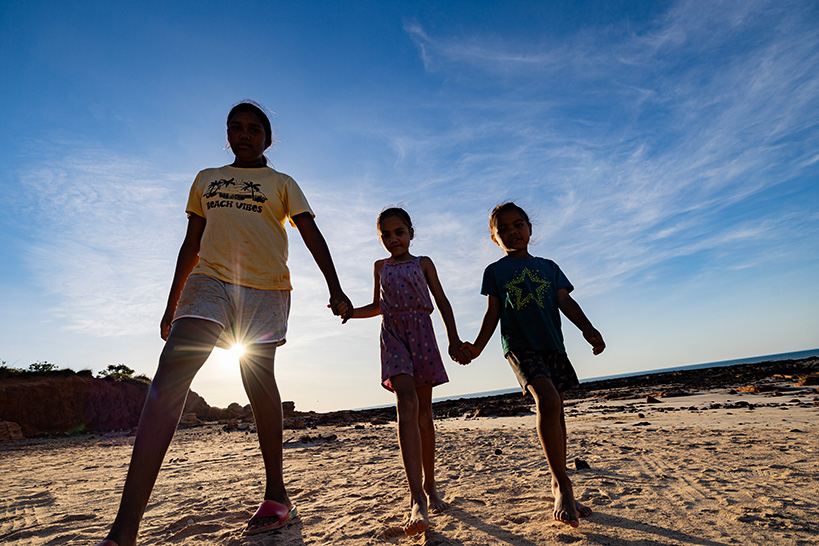
Aboriginal health is everyone's business. The needs of Aboriginal and Torres Strait Islander families and kids is integrated into all relevant areas of our work. Improving the health and wellbeing of Aboriginal and Torres Strait Islander kids and families is an overarching priority for every team at The Kids.
This study examines the enablers and barriers to accessing primary health care services from the perspective of Aboriginal and Torres Strait Islander people aged 15-24 years in urban southeast Queensland.
Cognitive errors are known contributors to poor decision-making in healthcare. However, their incidence and extent of their contribution to negative outcomes during difficult airway management are unknown. We aimed to identify cognitive errors during paediatric difficult airway management using data from the Pediatric Difficult Intubation (PeDI) registry, to determine patient and clinician factors associated with these errors, and their contribution to complications.