
Search
Showing results for "A"
The PLAYCE Cohort was established to investigate how movement behaviours change over early to late childhood, across key behaviour settings and relationships with health and development
We have developed an LC-MS/MS assay that accurately measures saliva 25(OH)D3 levels, which correlated with serum levels
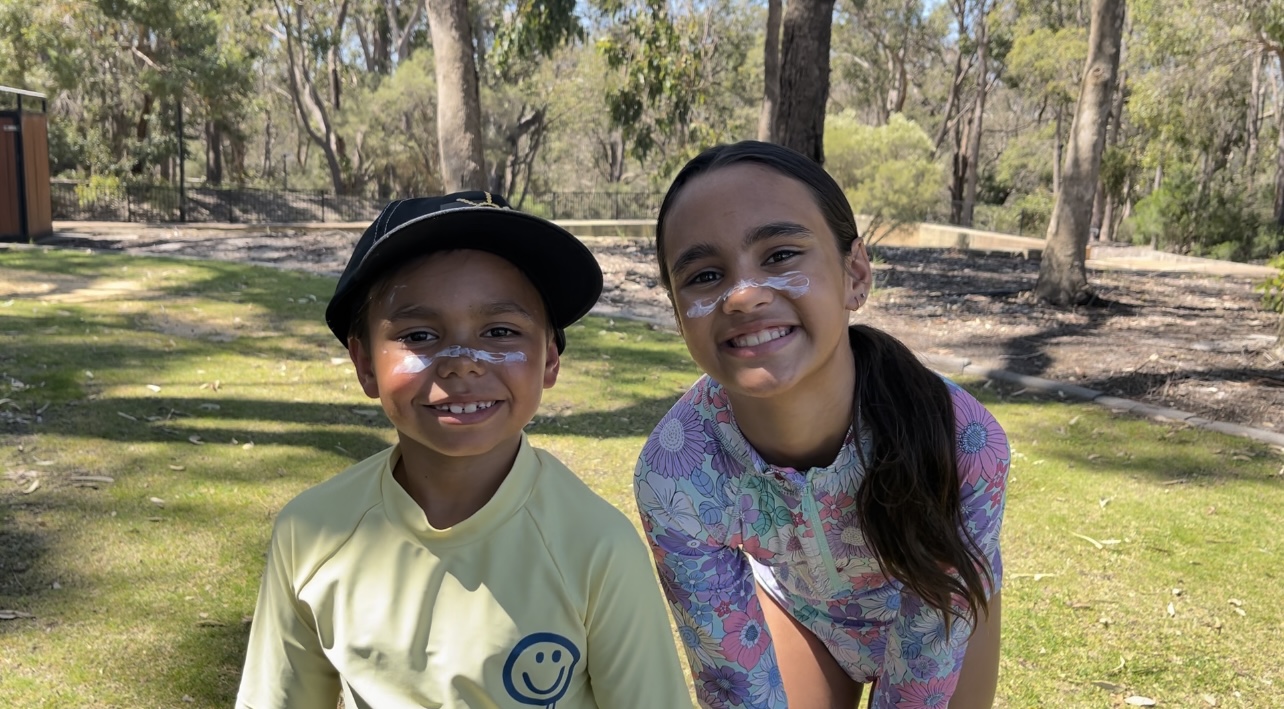
Vital research promoting sun smart choices and skin cancer prevention for young Aboriginal people is now underway at The Kids Research Institute Australia thanks to a $100,000 Perpetual 2024 IMPACT Philanthropy grant.
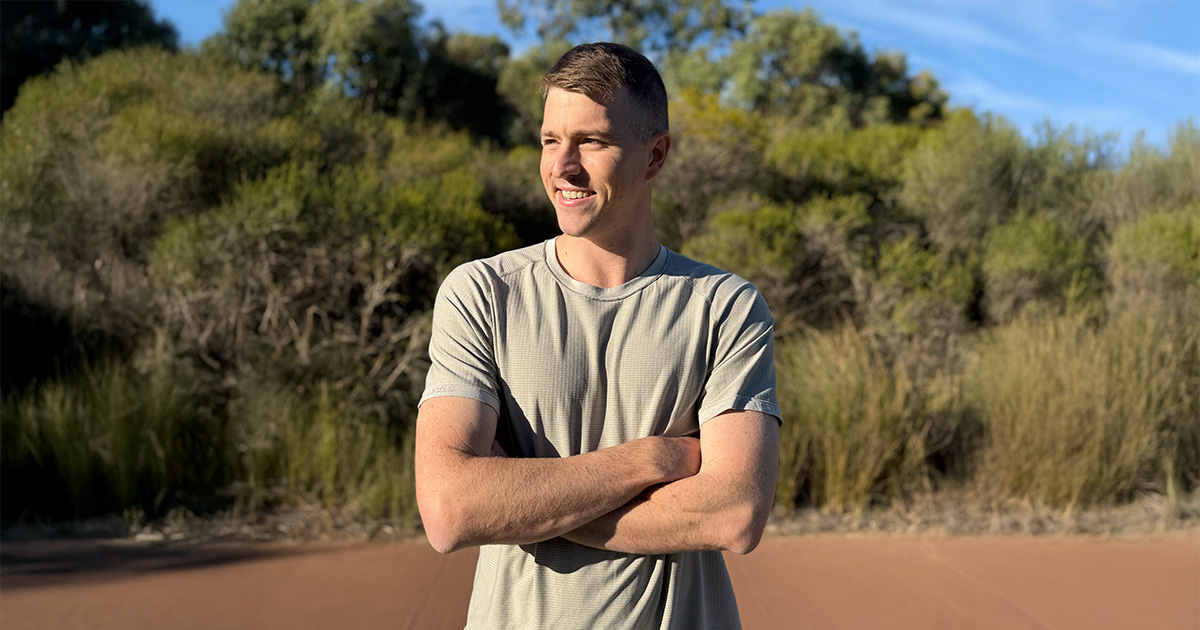
On Monday 1 September, childhood cancer researcher Jacob Byrne is lacing up his running shoes and taking the first steps of an extraordinary challenge: 30 marathons in 30 days across Perth.

Did you know that we now have a 'triage' section on the DiabHQ app with useful documents and a FAQs page.
With improvement in leukemia therapy, central nervous system (CNS) tumors are the leading cause of cancer mortality in children and the most expensive...
Recent research showed that precision medicine can identify new treatment strategies for patients with childhood cancers. However, it is unclear which patients will benefit most from precision-guided treatment.
Recent data indicate excessive weight gain in treatment-naive adults with HIV commenced on antiretroviral therapy (ART) regimens containing tenofovir alafenamide (TAF) or the integrase strand transfer inhibitors (INSTIs) dolutegravir (DTG) and bictegravir.
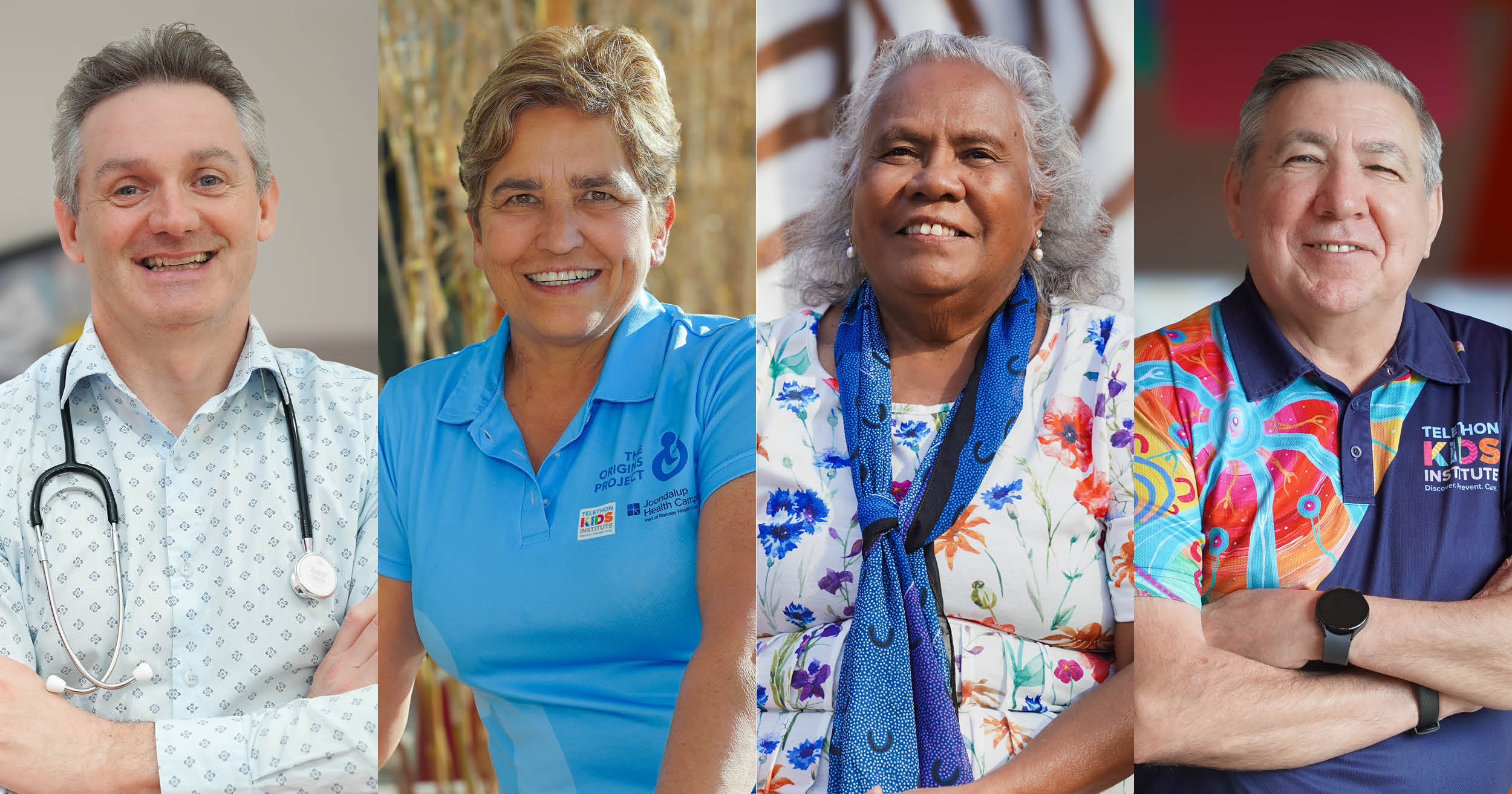
Four outstanding members of The Kids Research Institute Australia family have been named as finalists in the 2024 Western Australian of the Year Awards.
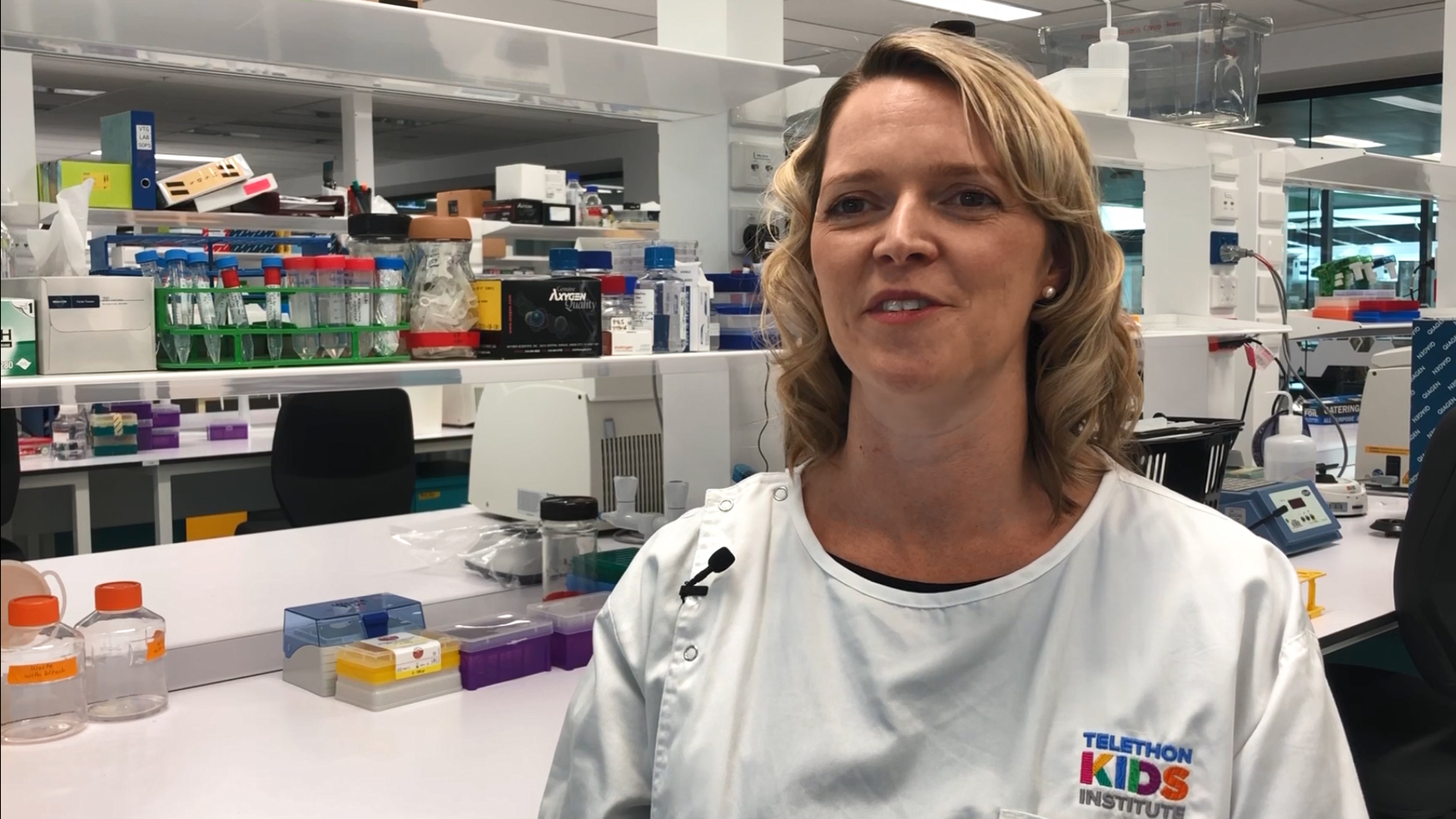
A nasal spray that could potentially prevent childhood ear infections and reduce antibiotic use is a step closer to clinical trials thanks to a $500,000 CUREator grant.