
Search

Join a Focus Group for the Sibling Support Study! Researchers from The Kids Research Institute Australia are conducting research which explores the


In 2024–2025, we listened to 40 siblings from across Australia share their experiences of family life and social connection. Most had a brother or sister with developmental disability, and others did not. Together, they offered open and thoughtful reflections on roles and responsibilities at home, friendships, fam
Jenny Helen Kingsley Downs Leonard Wong BApplSci (physio) MSc PhD MBChB MPH MBBS, MPH, MMedStat Head, Child Disability Principal Research Fellow
Rett syndrome (RTT) is a severe X-linked neurodevelopmental disorder associated with multiple neurologic impairments. Previous studies have shown challenges to the quality of life of individuals with RTT and their caregivers. However, instruments applied to quantify disease burden have not adequately captured the impact of these impairments on affected individuals and their families. Consequently, an international collaboration of stakeholders aimed at evaluating Burden of Illness in RTT was organized.
Rett syndrome (RTT) is a severe neurodevelopmental disorder associated with multiple neurobehavioral abnormalities. The Rett Syndrome Behaviour Questionnaire (RSBQ) was developed for pediatric RTT observational studies. Because its application has expanded to adult and interventional studies, we evaluated the RSBQ's psychometric properties in six pediatric (n = 323) and five adult (n = 309) datasets.
Rett syndrome (RTT) is a complex neurodevelopmental X-linked disorder associated with severe functional impairments and multiple comorbidities. There is wide variation in the clinical presentation, and because of its unique characteristics, several evaluation tools of clinical severity, behavior, and functional motor abilities have been proposed specifically for it.

Improving the lives of children with a disability and their families sits at the core of our team.
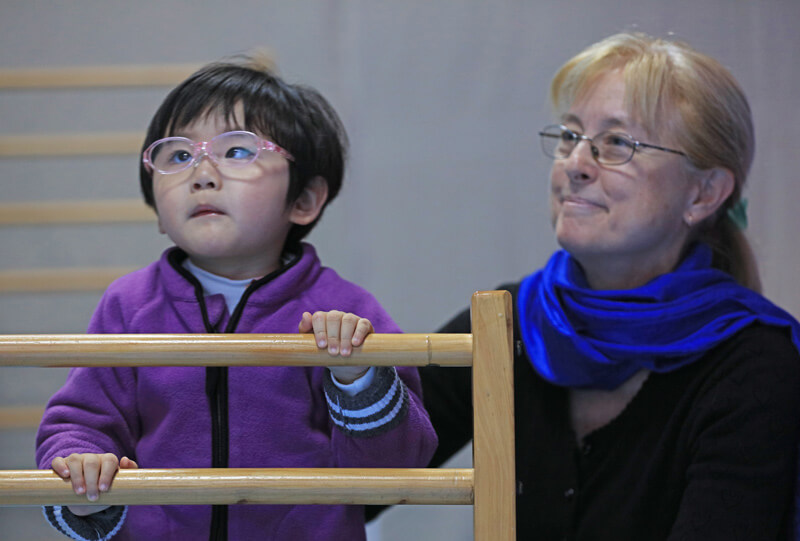
A program developed by The Kids Research Institute Australia researcher Dr Jenny Downs has led to dramatic improvements in the functioning of Chinese children with Rett syndrome, and could change the world.