
Search
Current continuous glucose monitoring (CGM) systems measure glucose levels in the interstitial fluid to estimate blood glucose concentration.
Fifteen to sixty-seven percent of patients with new onset type 1 diabetes mellitus (T1DM) present in diabetic ketoacidosis (DKA), of which approximately...
We investigated whether children who are heavier at birth have an increased risk of type 1 diabetes
The acceptance of closed-loop blood glucose (BG) control using continuous glucose monitoring systems (CGMS) is likely to improve.
The aim of this study was to evaluate the performance of a prototype noninvasive alarm system (HypoMon) for the detection of nocturnal hypoglycemia.
To investigate perinatal risk factors for childhood Type 1 diabetes in Western Australia, using a complete population-based cohort.
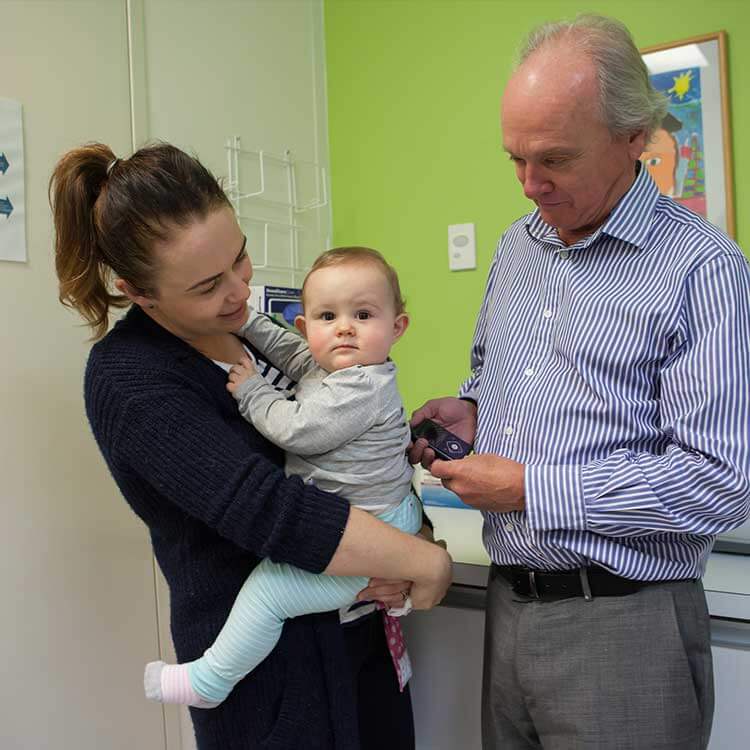
The Children's Diabetes Centre's research into Type 1 diabetes, childhood onset Type 2 diabetes and obesity aims to improve the lives of children and adolescents affected by these conditions.
Our research focuses on what are the best ways for patients with Type 1 Diabetes to exercise safely. We aim to develop clinical guidelines that provide improved advice for patients and educate patients on how to prevent hypos during and after exercise.
This study will tell us if the use of a hybrid closed loop system can improve awareness of hypoglycaemia.
The national Hybrid Closed-Loop Outpatient Trial will test the use of an automated insulin delivery system to see if it is better at optimising blood glucose levels than standard therapy.