
Search
The bone marrow is a specialised niche responsible for the maintenance of hematopoietic stem and progenitor cells during homeostasis and inflammation. Recent studies however have extended this essential role to the extramedullary and extravascular lung microenvironment. Here, we provide further evidence for a reservoir of hematopoietic stem and progenitor cells within the lung from embryonic day 18.5 until adulthood.
Early life is a key period that determines long-term health. Lung development in childhood predicts lung function attained in adulthood and morbidity and mortality across the life course. We aimed to assess the effect of early-life lower respiratory tract infection (LRTI) and associated risk factors on lung development from birth to school age in a South African birth cohort.
In obstructive airway diseases such as asthma and chronic obstructive pulmonary disease (COPD), the extracellular matrix (ECM) protein amount and composition of the airway smooth muscle (ASM) is often remodelled, likely altering tissue stiffness. The underlying mechanism of how human ASM cell (hASMC) mechanosenses the aberrant microenvironment is not well understood.
Chronic wet cough for longer than 4 weeks is a hallmark of chronic suppurative lung diseases, including protracted bacterial bronchitis, and bronchiectasis in children. Severe lower respiratory infection early in life is a major risk factor of PBB and paediatric bronchiectasis.
Small airway and lung parenchymal abnormalities frequently occur following preterm birth but are commonly missed by spirometry. Static lung volumes, diffusing capacity of the lung for carbon monoxide (D LCO) and oscillometry provide a more precise characterisation of these conditions. We hypothesised that differences in these measures exist between individuals born preterm and at term and we aimed to systematically review the literature to identify and quantify these differences in lung function.
Respiratory tract infections (RTIs) drive lung function decline in children with cystic fibrosis (CF). While the respiratory microbiota is clearly associated with RTI pathogenesis in infants without CF, data on infants with CF is scarce. We compared nasal microbiota development between infants with CF and controls and assessed associations between early-life nasal microbiota, RTIs, and antibiotic treatment in infants with CF.
Pneumonia is the leading cause of death in young children globally and is prevalent in the Papua New Guinea highlands. We investigated clinical predictors of hypoxic pneumonia to inform local treatment guidelines in this resource-limited setting.

Eight The Kids Research Institute Australia-led projects will benefit from the latest round of WA Child Research Fund (WACRF) grants, announced this week by Medical Research Minister Stephen Dawson.
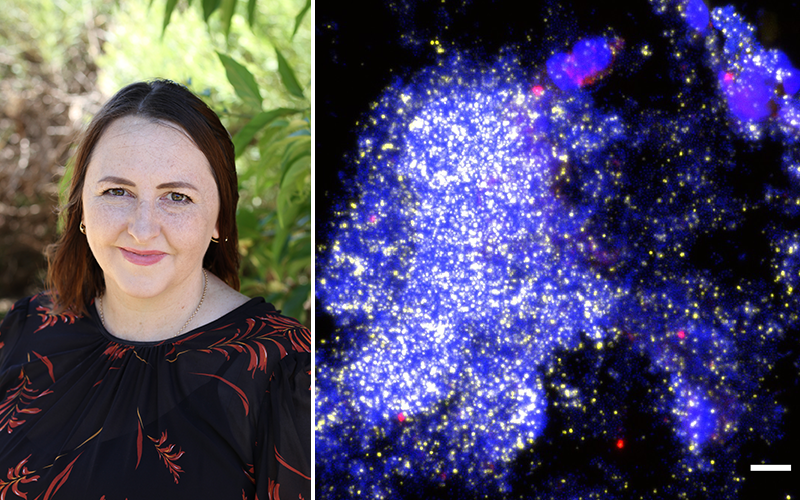
Researchers using powerful microscopes have identified bacterial slime in the lungs of some children with persistent wet coughs.

The Wal-yan Respiratory Research Centre is thrilled to see three researchers awarded prestigious Medical Research Future Fund (MRFF) Chronic Respiratory Conditions grants to improve lung health in children.