
Search
A lack of diversity in genomics for health continues to hinder equitable leadership and access to precision medicine approaches for underrepresented populations. To avoid perpetuating biases within the genomics workforce and genomic data collection practices, equity, diversity, and inclusion (EDI) must be addressed.
The formation of online communities instils a sense of connectedness which can ameliorate the mental health concerns that result from minority stressors for lesbian, gay, queer, intersex, asexual, and other diverse genders/sexualities (LGBTQIA+). The aim of this study was to explore how LGBTQIA + people communicate social and mental health concerns on TikTok.
Few studies have examined associations between gender non-conformity (GNC) in childhood or adolescence and mental health outcomes later in life. This study examined associations between GNC and mental health over multiple time points in childhood and adolescence, and GNC in childhood and/or adolescence and mental health in adulthood.
It is likely that young people who are both Aboriginal and Torres Strait Islander and LGBTQA+ would be at increased risk for poor mental health outcomes due to the layered impacts of discrimination they experience; however, there is very little empirical evidence focused on the mental health and wellbeing of Aboriginal and Torres Strait Islander LGBTQA+ young people. The current study represents a qualitative exploration of wellbeing among Aboriginal LGBTQA+ young people.
School toilets have been identified by sexuality and gender diverse (SGD) students as the least safe spaces in educational institutions. They are sites of verbal, physical and sexual victimisation.
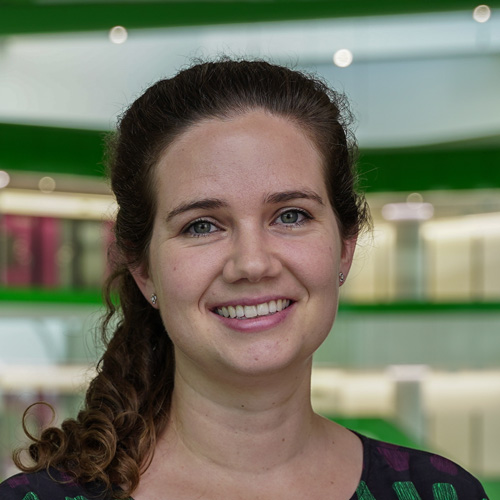
Research Fellow in Youth Suicide Prevention
We have launched a national survey to investigate how we can better support young people who don't identify as the gender they were assigned at birth.
We want to better understand the relationship between parents/carers and their children who identify as trans or gender diverse with the aim of improving the well-being of the whole family.