
Search
Showing results for "rishi kotecha"
To determine the incidence, serotype distribution and clinical outcomes of invasive pneumococcal disease in children with acute lymphoblastic leukaemia following widespread use of pneumococcal conjugate vaccines.
Invasive fungal disease (IFD) remains a common and serious complication in children treated for leukaemia. Antifungal prescription in children with leukaemia presents unique challenges, particularly due to variation in IFD risk between and within leukaemia treatment protocols, drug toxicities and interactions between antifungals and chemotherapeutic agents.
With improvement in leukemia therapy, central nervous system (CNS) tumors are the leading cause of cancer mortality in children and the most expensive...
Rare childhood cancers have not benefited to the same extent from the gains that have been made for their frequently occurring counterparts.
Our case demonstrates that AML therapy, without HSCT, can be sufficient to treat this rare disease in children.
Brain tumors presenting in infancy, especially during the first 6 months of life.
Invasive fungal infections are more common in children with high-risk acute lymphoblastic leukaemia and in relapsed disease
Sébastien Rishi S. Laurence Timo Malinge Kotecha Cheung Lassmann PhD MB ChB (Hons) MRCPCH FRACP PhD BPharm (Hons) MBA PhD BSc (Hons) MSc PhD
Laurence Rishi S. Sébastien Cheung Kotecha Malinge BPharm (Hons) MBA PhD MB ChB (Hons) MRCPCH FRACP PhD PhD Co-Head, Leukaemia Translational Research
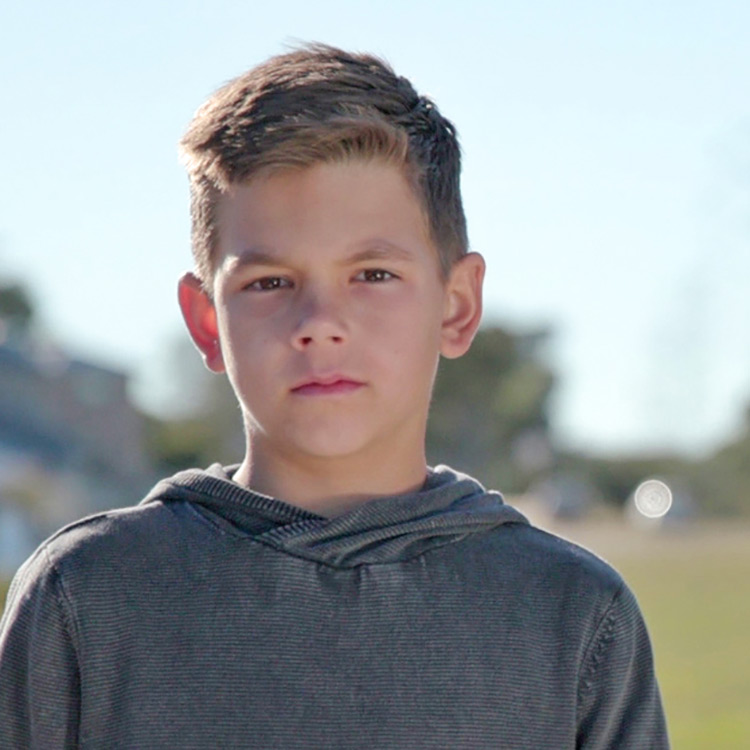
Ten-year-old Xander has been through more than most kids of his age – specifically, three-and-a-half years of gruelling chemotherapy to treat leukaemia.