Skip to content

Search

Foundations of Lung Disease

The Foundations of Lung Disease Team is focused on improving the diagnosis, treatment, and lifelong care of childhood lung disease.

Helpful resources for individuals born preterm

We’ve heard from families that trustworthy information about preterm-associated lung disease is difficult to find. In response, we’ve created resources to empower families with the knowledge they need to manage these challenges.

The effect of moderate-to-late preterm birth on lung function over the first 5 years of life in a South African birth cohort

Preterm birth is associated with increased mortality and morbidity, particularly due to lung disease. Low- and middle-income countries (LMIC) have the highest rates of preterm birth. Infants born extremely preterm rarely survive, so the largest burden is amongst moderate-to-late preterm (MLP) infants. The long-term health impact on MLP children in LMIC is poorly understood. The aim of this study was to assess the effect of MLP birth on lung function trajectories from birth to 5 years in the Drakenstein Child Health Study.

Oscillometry: clinical significance and applications

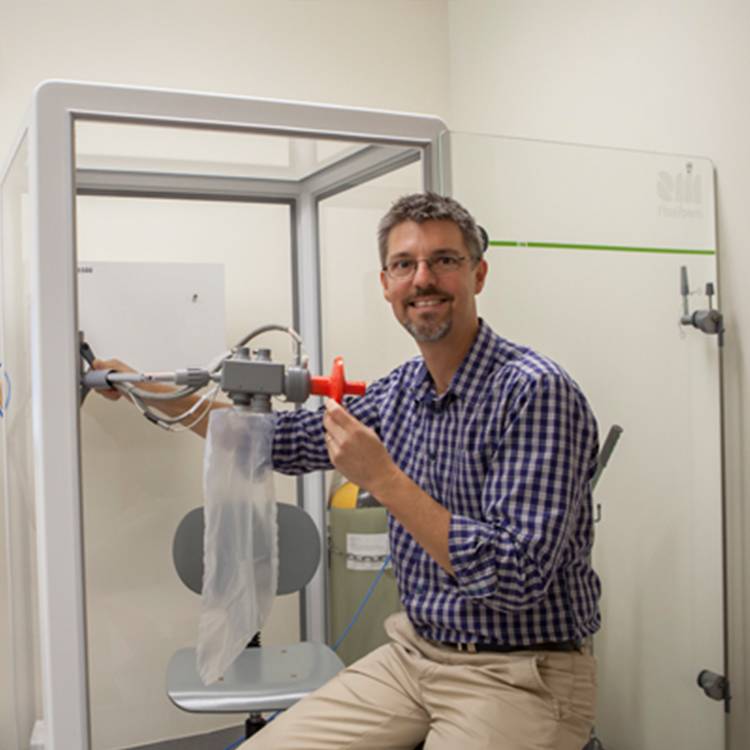
Respiratory oscillometry (or the forced oscillation technique) is a highly practical lung function test that can be applied in a wide range of clinical scenarios in children and adults, including the clinic, intensive care unit, patient home monitoring and emergency departments. Oscillometry measurements complement spirometry in detecting abnormal lung function, measuring effects of treatment such as inhaled corticosteroids or bronchodilators, and changes due to disease activity.

Profile of the PLAY spaces & environments for children’s physical activity, sedentary behaviour and sleep (PLAYCE) cohort study, Western Australia

Childhood is a critical period for the development of movement behaviours such as physical activity, sleep and sedentary behaviour. The PLAYCE Cohort was established to investigate how movement behaviours change over early to middle childhood, across key behaviour settings and relationships with health and development. An overview of the PLAYCE cohort, summary of key findings to date, and future research opportunities are presented.

Can lung disease be averted by focusing on early-life inequities?

Shannon Simpson BMedSci (hons), PhD Head, Strong Beginnings Research, Co-head Foundations of Lung Disease 08 6319 1631 Shannon.simpson@thekids.org.au

The perspectives of autistic adolescents and their parents on sleep strategies for insomnia

Autistic adolescents are vulnerable to sleep difficulties, with up to 80 % experiencing sleep problems, most commonly insomnia. Little is known about how autistic adolescents are involved in their own sleep treatment, and their depth of knowledge about their sleep difficulties. The aims of this study were to investigate autistic adolescent and parent perspectives of experiencing and managing insomnia, and what factors influence the development of these perspectives on insomnia and treatment. 

Prematurity-associated lung disease: is it asthma?

Shannon Elizabeth Simpson Smith BMedSci (hons), PhD PhD, MSc, BSc Head, Strong Beginnings Research, Co-head Foundations of Lung Disease Program

Simultaneous multiple breath washout and oxygen-enhanced magnetic resonance imaging in healthy adults

Lung function testing and lung imaging are commonly used techniques to monitor respiratory diseases, such as cystic fibrosis (CF). The nitrogen (N2) multiple-breath washout technique (MBW) has been shown to detect ventilation inhomogeneity in CF, but the underlying pathophysiological processes that are altered are often unclear.

Oscillometry and spirometry are not interchangeable when assessing the bronchodilator response in children and young adults born preterm

The European Respiratory Society Oscillometry Taskforce identified that clinical correlates of bronchodilator responses are needed to advance oscillometry in clinical practice. The understanding of bronchodilator-induced oscillometry changes in preterm lung disease is poor. Here we describe a comparison of bronchodilator assessments performed using oscillometry and spirometry in a population born very preterm and explore the relationship between bronchodilator-induced changes in respiratory function and clinical outcomes.