Search
In Australia’s north, Aboriginal peoples live with world-high rates of rheumatic heart disease (RHD) and its precursor, acute rheumatic fever (ARF); driven by social and environmental determinants of health. We undertook a program of work to strengthen RHD primordial and primary prevention using a model addressing six domains: housing and environmental support, community awareness and empowerment, health literacy, health and education service integration, health navigation and health provider education.
Despite higher incidence of brain injury among Aboriginal compared with non-Aboriginal Australians, suboptimal engagement exists between rehabilitation services and Aboriginal brain injury survivors. Aboriginal patients often feel culturally insecure in hospital and navigation of services post discharge is complex.
Brain injury, resulting from stroke and traumatic brain injury, is a common occurrence in Australia, with Aboriginal people affected at a significant rate and impact felt by individuals, families and communities. Access to brain injury rehabilitation services for Aboriginal people is reported to be often limited, with very little support outside the hospital environment.
The purpose of this paper is to highlight a perspective for decolonizing research with Australian First Nations and provide a framework for successful and sustained knowledge translation by drawing on the recent work conducted by a research group, in five remote communities in North-Western Australia.
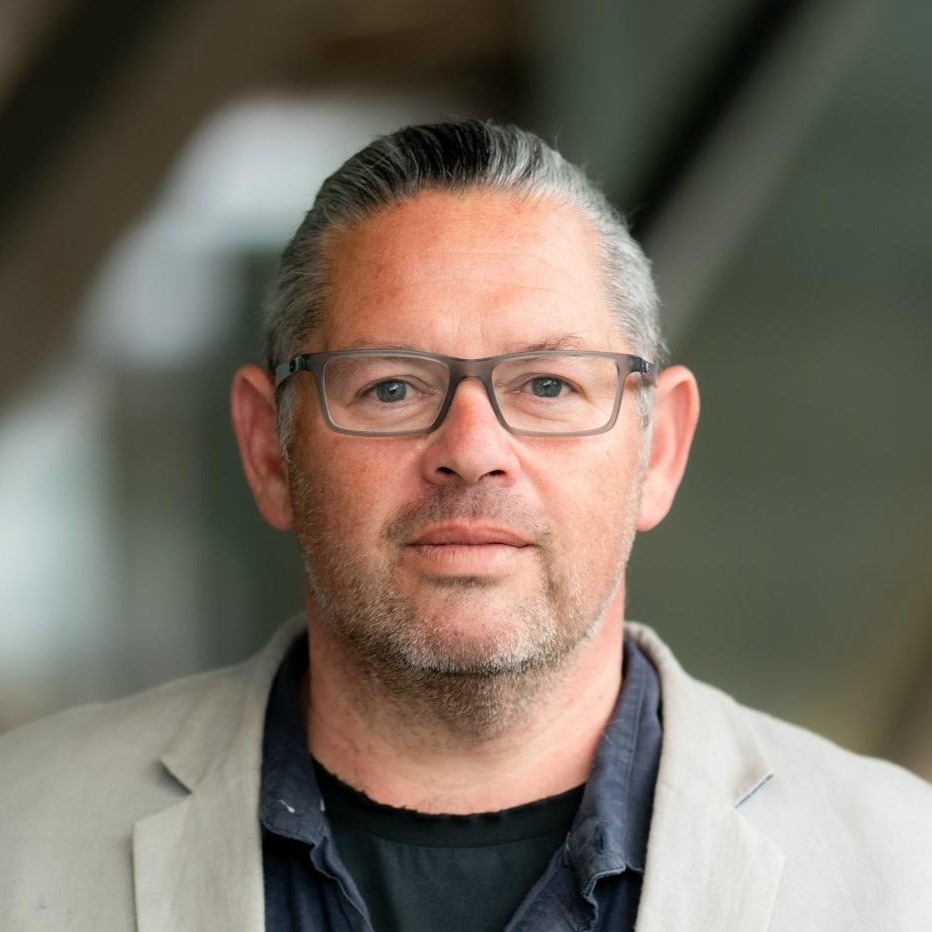
Glenn Martyn Pearson Symons BA (Education) PhD Candidate B.A. (Hons) PhD. Director of First Nations Strategy and Leadership; Head, First Nations
Aboriginal and Torres Strait Islander peoples in Australia have an inequitable burden of acute rheumatic fever (ARF) and rheumatic heart disease (RHD), concentrated among young people and necessitating ongoing medical care during adolescence. There is an unmet need for improved well-being and support for these young people to complement current biomedical management.
It is critical that health service evaluation frameworks include Aboriginal people and their cultural worldviews from design to implementation. During a large participatory action research study, Elders, service leaders and Aboriginal and non-Aboriginal researchers co-designed evaluation tools to test the efficacy of a previously co-designed engagement framework. Through a series of co-design workshops, tools were built using innovative collaborative processes that foregrounded Aboriginal worldviews.
WAACHS was the largest and most comprehensive survey ever undertaken into the health, wellbeing & development of WA Aboriginal and Torres Strait Islander kids
Facilitate research interest & opportunities that involve Aboriginal families & communities and build the capacity and development of Institute researchers
Strengthening the capacity of Aboriginal children, families and communities