
Search
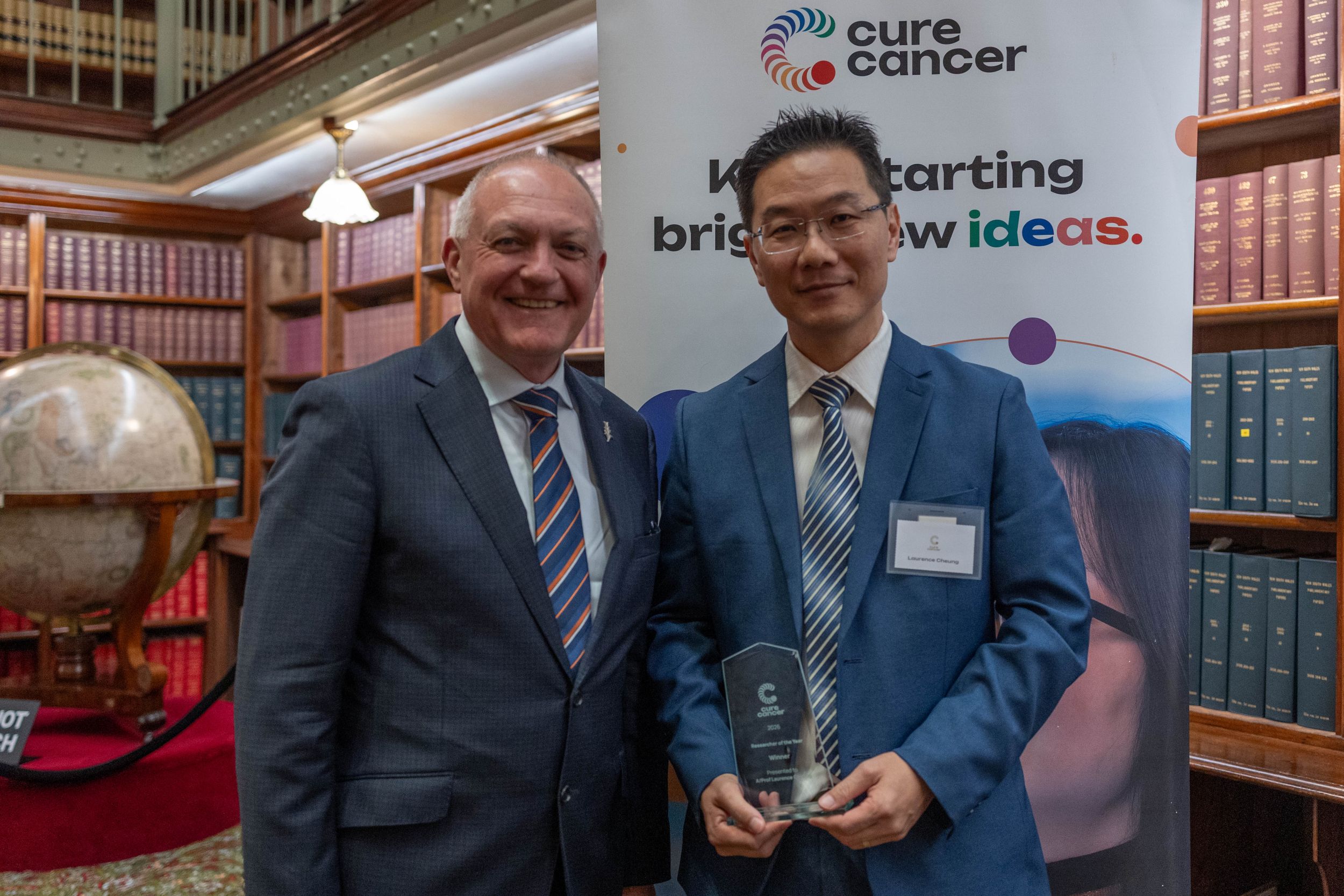
A leading WA cancer researcher has been named the Cure Cancer 2026 Researcher of the Year for his groundbreaking work in paediatric leukaemia.
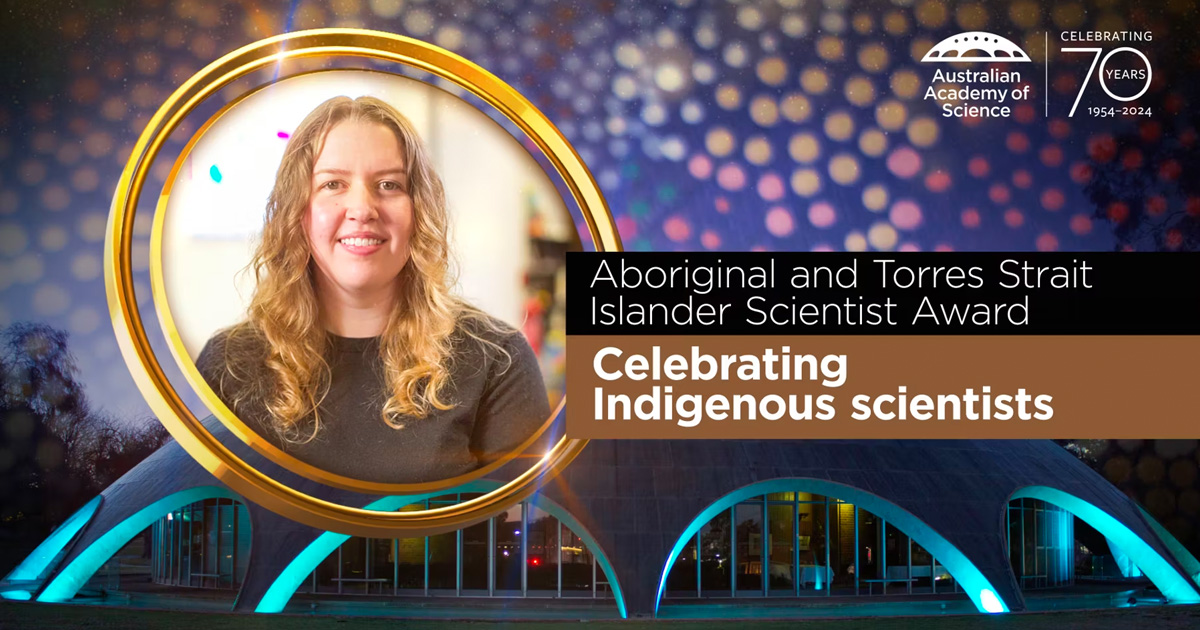
Congratulations to Indigenous genomics researcher Dr Justine Clark, who is one of two scientists nationally to receive the Australian Academy of Science’s 2024 Aboriginal and Torres Strait Islander Science Award.
To describe the perspectives of Aboriginal and Torres Strait Islander peoples and health care workers on genomics in cancer care to inform the National Framework for Genomics in Cancer Control (the Framework).
Allogeneic hematopoietic stem cell transplant (HSCT) is a proven curative therapy for children with high-risk myeloid malignancies. Disease relapse, transplant-related mortality and graft versus host disease (GvHD) are the main causes of treatment failure and death post-transplant. The optimum pretransplant conditioning regimen is yet to be defined. There is limited data regarding the use of busulfan, fludarabine and melphalan as a myeloablative conditioning regimen in children receiving HSCT for myeloid malignancies.
Epidermal Growth Factor Receptor (EGFR) plays a critical role in the development of several cancers. Thus, modulation/inhibition of EGFR activity is an appealing target of developing novel cancer therapeutics.
Glioblastoma, a lethal high-grade glioma, has not seen improvements in clinical outcomes in nearly 30 years. Ion channels are increasingly associated with tumorigenesis, and there are hundreds of brain-penetrant drugs that inhibit ion channels, representing an untapped therapeutic resource. The aim of this exploratory drug study was to screen an ion channel drug library against patient-derived glioblastoma cells to identify new treatments for brain cancer.
Cold atmospheric plasma (CAP) is a safe and effective alternative to radiotherapy for cancer treatment. Its anticancer effects are attributed to increased intracellular reactive oxygen species (ROS). Glutathione, a key antioxidant derived from glutamine, is critical for cell proliferation. This study investigated whether CAP-induced ROS elevation results from reduced glutamine-glutathione conversion and elucidates the underlying mechanisms.
Smokers are at an increased risk of developing mucosal head and neck squamous cell cancers (HNSCCs) and have a worse prognosis when treated. The cellular and molecular mechanisms underlying the latter has not been established. We therefore developed an in vitro model to investigate the effects of radiation and smoking on mucosal HNSCCs.
Immunoneoadjuvant therapy has gained significant attention due to its remarkable advancements in cancer treatment. This study aimed to investigate the molecular mechanisms underlying immunoneoadjuvant therapy through a comprehensive multiomics analysis of samples from a registered clinical trial cohort.
In Australia, cancer medicine is increasingly guided by our expanding knowledge of cancer genomics (the study of genetic information) and biology. Personalized treatments and targets are often defined by an individual’s genetic profile—known as precision cancer medicine. The translation of genomics-guided precision therapeutics from bench to bedside is beginning to produce real clinical benefits for Australians living with cancer.